
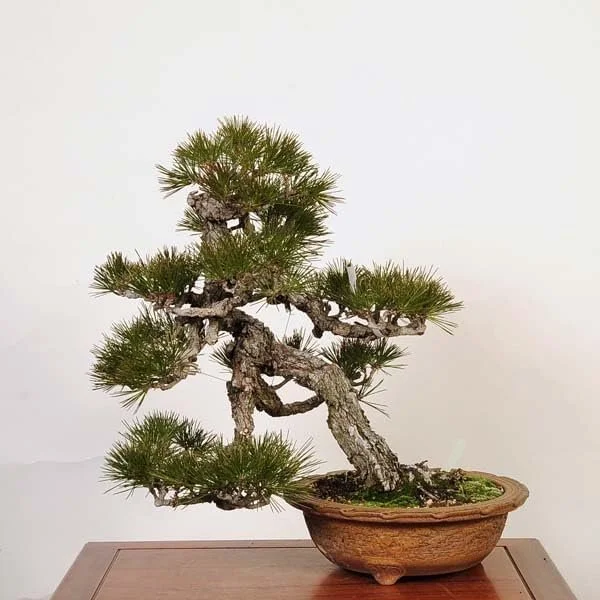
 Image 1 of 2
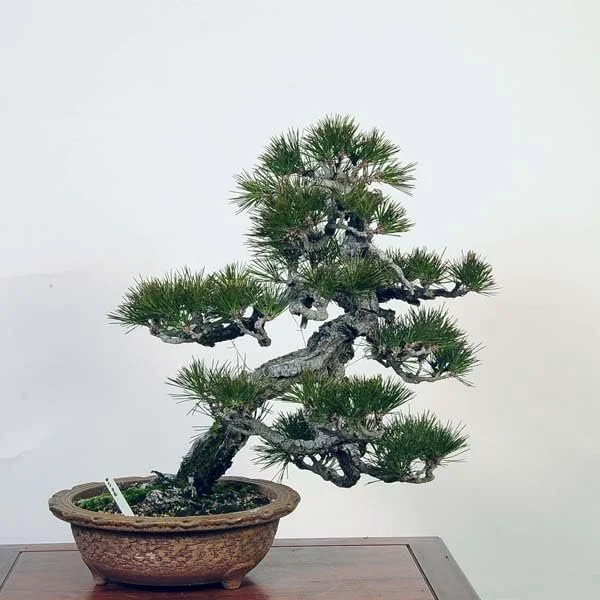 Image 2 of 2
Yue Bonsai Special Selection
The Japanese bonsai: a living art that can last generations without dying when cared for with knowledge, patience, and respect. Bonsai are not genetically dwarfed trees; they are full-sized species trained to remain small through pruning, root management, wiring, and careful cultural practices. Many bonsai specimens in Japan and around the world are centuries old, passed down through families, bonsai schools, or collectors—examples include potted trees that have survived 200–1,000 years.
Why bonsai can endure across generations
Species choice and hardiness: Traditional bonsai species—pine, maple, azalea, juniper, and zelkova, among others—are naturally long-lived and resilient when given the right conditions. Choosing a species suited to your local climate increases longevity.
Correct potting and root care: Bonsai thrive when roots are periodically pruned and repotted into well-draining, aerated soil. This prevents root-bound conditions and root rot, maintains nutrient balance, and supports healthy growth over decades.
Pruning and training: Regular pruning of branches and leaves controls size and shape while encouraging dense ramification. Wiring and structural training reduce stress and guide growth without killing the tree when applied properly.
Proper watering and feeding: Bonsai require consistent, attentive watering tailored to species, pot size, substrate, and season. Balanced fertilization replaces nutrients lost in a small soil volume, sustaining tree vigor over time.
Seasonal care and climate management: Respecting dormancy periods (for deciduous species), protecting trees from extreme temperatures, and adjusting care across seasons helps prevent shock and decline.
Pest and disease vigilance: Early detection and treatment of pests, fungal infections, and other problems prevent chronic stress that shortens life.
Propagation and grafting: Even when an aging bonsai becomes fragile, healthy branches or cuttings can be propagated to continue the genetic line. Grafting can replace declining trunks or branches, allowing the tree’s aesthetic and lineage to persist.
Cultural and practical practices that preserve bonsai legacy
Documentation and training: Passing on detailed notes, pictures, and techniques—often within families or apprenticeships—ensures the knowledge needed to sustain a tree is preserved along with the tree itself.
Repotting cycles and soil evolution: Long-lived bonsai often undergo many repotting cycles. Skilled caretakers evolve the soil mix and pot size gradually to match the tree’s needs, sustaining vitality without abrupt change.
Transferring containers: Over centuries, bonsai have been moved into larger or differently shaped pots to stabilize root systems, or into specialized containers that maintain humidity and temperature.
Community and institutional support: Museums, bonsai societies, and gardens maintain historically important bonsai and provide expertise that helps trees survive through changing ownership.
Myths and realities
Myth: Bonsai are artificially stunted and doomed to die young. Reality: Properly maintained bonsai are not stunted; they are managed. With appropriate care they can outlive their caretakers and survive for many generations.
Myth: Bonsai must be kept indoors. Reality: Most classic bonsai species are outdoor plants that need seasonal cues; only certain tropical/subtropical species tolerate indoor life year-round.
Practical tips for longevity
Learn the needs of your species (light, cold hardiness, growth habit).
Keep a repotting schedule—typically every 1–5 years depending on age and species.
Use an appropriate, fast-draining bonsai soil mix.
Water attentively—check soil moisture daily in hot months.
Fertilize regularly during the growing season with balanced nutrients.
Prune gradually; avoid removing large proportions of foliage at once.
Protect from extreme weather and pests.
Teach successors: create a care record and train a next caretaker if you plan the tree as a family heirloom.
Bonsai as living heirlooms
Bonsai are unique in combining horticulture, design, and cultural continuity. A well-cared-for Japanese bonsai can become an heirloom—an expression of time and continuity that literally connects generations. The key to making a bonsai last without dying across generations is consistent, informed care and the willingness to adapt practices as the tree ages. With that stewardship, bonsai do not merely survive; they mature into living history.
The Japanese bonsai: a living art that can last generations without dying when cared for with knowledge, patience, and respect. Bonsai are not genetically dwarfed trees; they are full-sized species trained to remain small through pruning, root management, wiring, and careful cultural practices. Many bonsai specimens in Japan and around the world are centuries old, passed down through families, bonsai schools, or collectors—examples include potted trees that have survived 200–1,000 years.
Why bonsai can endure across generations
Species choice and hardiness: Traditional bonsai species—pine, maple, azalea, juniper, and zelkova, among others—are naturally long-lived and resilient when given the right conditions. Choosing a species suited to your local climate increases longevity.
Correct potting and root care: Bonsai thrive when roots are periodically pruned and repotted into well-draining, aerated soil. This prevents root-bound conditions and root rot, maintains nutrient balance, and supports healthy growth over decades.
Pruning and training: Regular pruning of branches and leaves controls size and shape while encouraging dense ramification. Wiring and structural training reduce stress and guide growth without killing the tree when applied properly.
Proper watering and feeding: Bonsai require consistent, attentive watering tailored to species, pot size, substrate, and season. Balanced fertilization replaces nutrients lost in a small soil volume, sustaining tree vigor over time.
Seasonal care and climate management: Respecting dormancy periods (for deciduous species), protecting trees from extreme temperatures, and adjusting care across seasons helps prevent shock and decline.
Pest and disease vigilance: Early detection and treatment of pests, fungal infections, and other problems prevent chronic stress that shortens life.
Propagation and grafting: Even when an aging bonsai becomes fragile, healthy branches or cuttings can be propagated to continue the genetic line. Grafting can replace declining trunks or branches, allowing the tree’s aesthetic and lineage to persist.
Cultural and practical practices that preserve bonsai legacy
Documentation and training: Passing on detailed notes, pictures, and techniques—often within families or apprenticeships—ensures the knowledge needed to sustain a tree is preserved along with the tree itself.
Repotting cycles and soil evolution: Long-lived bonsai often undergo many repotting cycles. Skilled caretakers evolve the soil mix and pot size gradually to match the tree’s needs, sustaining vitality without abrupt change.
Transferring containers: Over centuries, bonsai have been moved into larger or differently shaped pots to stabilize root systems, or into specialized containers that maintain humidity and temperature.
Community and institutional support: Museums, bonsai societies, and gardens maintain historically important bonsai and provide expertise that helps trees survive through changing ownership.
Myths and realities
Myth: Bonsai are artificially stunted and doomed to die young. Reality: Properly maintained bonsai are not stunted; they are managed. With appropriate care they can outlive their caretakers and survive for many generations.
Myth: Bonsai must be kept indoors. Reality: Most classic bonsai species are outdoor plants that need seasonal cues; only certain tropical/subtropical species tolerate indoor life year-round.
Practical tips for longevity
Learn the needs of your species (light, cold hardiness, growth habit).
Keep a repotting schedule—typically every 1–5 years depending on age and species.
Use an appropriate, fast-draining bonsai soil mix.
Water attentively—check soil moisture daily in hot months.
Fertilize regularly during the growing season with balanced nutrients.
Prune gradually; avoid removing large proportions of foliage at once.
Protect from extreme weather and pests.
Teach successors: create a care record and train a next caretaker if you plan the tree as a family heirloom.
Bonsai as living heirlooms
Bonsai are unique in combining horticulture, design, and cultural continuity. A well-cared-for Japanese bonsai can become an heirloom—an expression of time and continuity that literally connects generations. The key to making a bonsai last without dying across generations is consistent, informed care and the willingness to adapt practices as the tree ages. With that stewardship, bonsai do not merely survive; they mature into living history.